Roofing
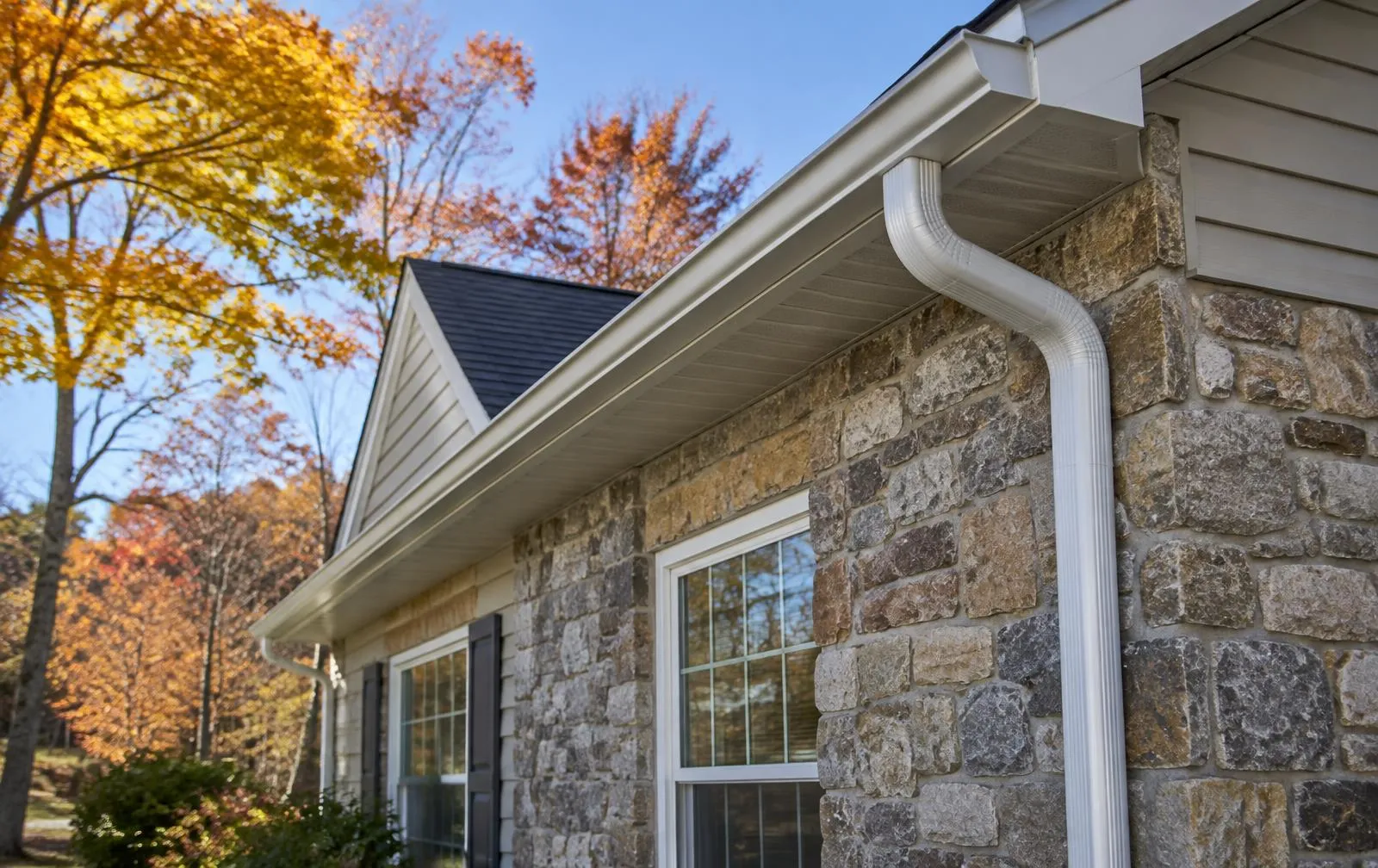
Gutter replacement in Delaware County, PA
Gutter replacement in Delaware County, PA should begin with the route rain takes from the roof to a suitable discharge point.
- No-cost request
- Matched by ZIP code
- Delaware County, PA
01
Decide whether replacement solves the problem
Gutter replacement in Delaware County, PA should begin with the route rain takes from the roof to a suitable discharge point. Bigger troughs do little good if outlets are misplaced or water ends beside the foundation. Delco Roofers provides a free homeowner referral through SoleSource Pros to one independent, licensed and insured roofing contractor. We are not the contractor and do not design or install gutter systems. Ask for an assessment that connects roof area, gutter condition, fascia support and ground-level drainage before selecting a profile or color.
Overflow may result from leaves, blocked downspouts, poor pitch, undersized outlets or a damaged trough. Observe from a safe location during rain if conditions allow, and describe where water escapes. A cleaning or limited repair may be enough when the metal and supports remain sound; replacement is more useful when failure is extensive.
Separating roof-edge leaks from overflowing gutters matters. Water behind a trough can involve drip-edge integration or deteriorated fascia rather than a hole in the gutter itself. Ask the contractor to identify the cause, show the affected area and explain what the proposal will change. Replacing visible metal without addressing the supporting detail can leave the original symptom unresolved.
02
Size for the roof that drains into it
A wide Springfield ranch can send considerable water toward a long eave, while a Broomall colonial may concentrate runoff through short valleys. Cape Cod dormers can create localized surges. The contractor should consider contributing roof area, roof geometry, outlet placement and downspout capacity together instead of recommending a size solely because it is common.
Larger Newtown Square homes may have several roof sections emptying into one lower gutter. Review those concentrated flows and whether additional outlets are feasible. Ask for the proposed dimensions and downspout locations on the written estimate. Oversizing one component does not automatically fix a bottleneck farther along the route, especially at a tight elbow or buried connection.
03
Protect attached homes and narrow side yards
Brick twins and rowhomes in Delaware County's eastern suburbs can have close property lines and limited side-yard space. Establish which gutter serves which roof area and whether any shared-looking component requires coordination with a neighbor. Do not presume that water can be redirected across the boundary because the old arrangement was inconvenient.
Downspouts should discharge to an appropriate location consistent with local requirements and site conditions. Ask about walkways, neighboring foundations and winter icing where runoff reaches paved areas. If underground piping is involved, determine whether it will be inspected, reused or excluded. A new downspout connected to an obstructed underground line can continue to overflow despite brand-new aboveground parts.
04
Inspect fascia and the roof-edge connection
Gutters need sound attachment. On Havertown houses from the 1940s through the 1960s, painted fascia may conceal decay behind older metal. Ask how concealed damage will be documented, what repair pricing applies and how you will approve changes once the old gutter is removed.
The roof edge must direct water into the gutter without trapping moisture against wood. Discuss the relationship among drip edge, fascia, gutter placement and existing roofing. If the roof covering is near replacement, compare doing the projects together with keeping them separate. Coordination can reduce repeated disruption, but the agreement should still identify each trade's scope and any roofing alterations needed to complete the gutter work.
Ready for a roofing estimate?
Tell us about your Delco property to begin a focused conversation with one independent roofing contractor.
05
Choose materials and guards realistically
Seamless aluminum is a common residential option, but corners, outlets and end caps still create joints that need proper detailing. Steel and copper have different handling, appearance and compatibility considerations. On stone homes in Media, Swarthmore and Wallingford, discuss how the new profile and downspout routing fit existing masonry and architectural features.
Leaf guards can reduce some debris entry but do not make a system maintenance-free. Trees shed small seeds, needles and twigs that behave differently from broad leaves. Ask how the proposed guard handles your tree cover, how cleaning is performed and whether it affects access or warranty terms. Compare the cost with a realistic maintenance plan rather than relying on a no-cleaning promise.
06
Prepare for storms, snow and maintenance
Nor'easters and intense summer rain test weak hangers and poorly placed outlets. Snow and ice can stress attachments, while ice dams may reflect attic heat loss rather than a gutter defect. Replacing gutters alone cannot guarantee that a winter roof leak will disappear. Discuss whether roofing or insulation evaluation is also appropriate.
Plan professional inspections or cleaning suited to local tree cover and safe access. Homeowners should not lean ladders against loose gutters or climb near power lines to clear a blockage. After installation, observe drainage from the ground when rain returns and report specific overflow locations. Keep photographs and product information so follow-up can focus on a documented condition rather than a vague description.
07
Compare complete estimates and local requirements
Ask each proposal to state gutter material, dimensions, approximate lengths, corners, outlets, downspouts, hangers, removal and disposal. Clarify fascia work, buried drains and landscaping restoration as inclusions or exclusions. Confirm how the crew protects entrances and planting beds, and review the final walk-through and payment process.
Request the contractor's PA HIC registration number and verify it alongside current insurance. Registration is not an endorsement. Check with your borough or township about applicable approvals, especially where drainage routes or historic exterior features change. Do not assume a standard permit fee or universal exemption. The independent contractor, not Delco Roofers, provides the work agreement and any written installation or product coverage.
Questions
Frequently asked questions
Go deeper
Related roofing services
Roof Repair
Find guidance on Delco roof leaks, flashing and shingle repairs. Request a free referral to one independent contractor for an assessed repair scope.
Learn moreRoof Replacement
Explore Delco roof replacement for twins, colonials and older slate homes. Understand tear-off, flashing and estimates before requesting a free referral.
Learn moreFlat Roofing
Compare EPDM, TPO, modified bitumen and coatings for Delco low-slope roofs. Discuss leaks, drainage and repair options through a free referral.
Learn more
Get started
Ready to get your project started?
Get a single roofing introduction for your Delaware County home, without your inquiry being resold to several businesses.